

Du packst ein Divoom Times Frame aus, stellst es auf deinen Schreibtisch, und innerhalb von Sekunden wechseln deine Fotos auf einem transparenten, schwebenden Bildschirm. Es wirkt mühelos. Die Pixel leuchten. Der Rahmen verschwindet im Hintergrund. Dein Raum fühlt sich plötzlich lebendiger an.
Was du in diesem Moment nicht siehst, ist alles, was passiert ist, bevor du die Box geöffnet hast. Die Skizzen, die zerknüllt wurden. Die Prototypen, die nicht funktionierten. Die technischen Debatten darüber, ob das Glas an den Rändern gebogen oder vollkommen flach sein sollte. Die hunderten Software-Builds, die nie über das Testlabor hinauskamen. Das Team, das in einem Raum in Shenzhen sitzt und immer wieder dieselbe Frage stellt: macht das den Raum persönlicher?
Die meisten Menschen sehen nur fertige Produkte. Sie sehen nicht den Prozess. Dies ist die Geschichte, wie Divoom-Produkte entstehen – vom ersten Funken einer Idee bis zu dem Moment, in dem du den Deckel öffnest.
Wo Ideen herkommen: Der unsichtbare erste Schritt
Produktideen bei Divoom entstehen nicht in einem Besprechungsraum mit einer PowerPoint-Präsentation. Sie entstehen an einem unerwarteten Ort: indem man beobachtet, wie Menschen die Geräte nutzen, die sie bereits besitzen.
Mit über 20 Millionen Nutzern in mehr als 100 Ländern erkennt das Team Muster, die keine Umfrage erfassen könnte. Ein Nutzer postet ein kreatives Zifferblatt in der Divoom-App-Community. Ein anderer Nutzer sendet ein Support-Ticket mit der Frage, ob das Display Krypto-Preise anzeigen kann. Ein dritter Nutzer teilt ein Foto seines Schreibtisch-Setups auf Instagram, das tausende Likes erhält. Jeder dieser Momente ist ein Signal – ein Hinweis darauf, was die Menschen als Nächstes wollen.
Das Times Gate zum Beispiel entstand nicht aus einer Produkt-Roadmap. Es begann mit einer einfachen Beobachtung: Menschen schauten während der Arbeit immer wieder auf ihr Handy, um die Uhrzeit, das Wetter, den Kalender und Benachrichtigungen zu prüfen. Was wäre, wenn ein Schreibtischdisplay all das auf einmal anzeigen könnte – ohne etwas entsperren zu müssen? Diese eine Frage führte zu fünf Bildschirmen, einem Widget-Ökosystem und einer Produktkategorie, die es vorher nicht gab.
Das Team beschreibt diesen Ansatz einfach: „Wir experimentieren weiter, verbessern und hören zu.“ Die Ideen sind bereits da. Die Aufgabe des Produktteams ist es, sie zu erkennen.

Phase 1: Design — Wenn eine Idee Gestalt annimmt
Sobald eine Idee bestätigt ist, geht sie an das Industriedesign-Team. Hier beginnt das Produkt, in der physischen Welt zu existieren — zuerst als Skizzen, dann als 3D-Renderings, schließlich als handgefertigte Prototypen, die das Team tatsächlich anfassen und bewerten kann.
Divooms Designphilosophie ist ungewöhnlich in der Unterhaltungselektronik. Die meisten Hardwarefirmen beginnen mit den Komponenten und bauen ein Gehäuse darum herum. Divoom beginnt mit einem Gefühl. Wie soll sich dieses Produkt anfühlen auf einem Schreibtisch? Soll es sich einfügen oder hervorstechen? Soll es auf den ersten Blick verspielt wirken oder seine Persönlichkeit erst mit der Zeit zeigen?
Das transparente Design des Times Frame ist ein gutes Beispiel. Die Vorgabe war einfach: Mach einen digitalen Fotorahmen, der nicht wie ein digitaler Fotorahmen aussieht. Das Team erforschte Dutzende Formfaktoren, bevor es sich für das schwebende Glaskonzept entschied — ein Bildschirm, der zu schweben scheint, ohne sichtbaren Rahmen, ohne Plastikrand, ohne visuelles Durcheinander. Das Ergebnis ist ein Produkt, das Rezensenten konsequent als „anders als alles andere“ beschreiben.
Während dieser Phase arbeitet das Pixel-Art-Designteam bereits parallel. Zifferblätter, Animationen, Widget-Layouts — jedes visuelle Element wird so gestaltet, dass es zu verschiedenen Tageszeiten passend wirkt. Ein Zifferblatt um 7 Uhr morgens sollte nicht gleich aussehen wie eines um 22 Uhr. Das Designteam denkt an Stimmung, Rhythmus und wie das Produkt in den Alltag einer Person passt, nicht nur daran, wie es auf einem Produktfoto wirkt.

Wenn die ersten Unboxing-Videos eines Divoom-Produkts auf YouTube erscheinen, ist der Moment mit der größten Reaktion die Enthüllung — wenn der Rezensent das Produkt aus der Verpackung hebt und das Publikum es zum ersten Mal sieht. Diese Reaktion ist kein Zufall. Sie ist das Ergebnis unzähliger Designentscheidungen, die lange vor dem finalen Produkt getroffen wurden.
Phase 2: Engineering — Die Umsetzung
Sobald das Design feststeht, übernimmt das Engineering-Team — und hier wird es schwierig. Die Herausforderung besteht nicht nur darin, das Produkt funktionsfähig zu machen. Es geht darum, das Produkt funktionsfähig zu machen und dabei dünn, leicht, zuverlässig und erschwinglich zu halten.
Die Hardware-Ingenieure von Divoom stehen vor einer Einschränkung, die die meisten Marken für Unterhaltungselektronik nicht haben: Jedes Produkt muss ein Pixel-Display-Erlebnis, Audioausgabe, drahtlose Konnektivität und App-Integration bieten — alles in einem Gehäuse, das minimalistisch und verspielt aussieht. Für hässliche Kompromisse ist kein Platz.
Der Ditoo-Pro ist eine Fallstudie für diese Art von Ingenieurskunst. Das Team musste ein Pixel-Display, einen Bluetooth-Lautsprecher, eine Nachtlampe, einen Wecker, eine Weißrausch-Maschine und ein Gaming-Gerät in ein Retro-Computergehäuse unter 100 $ integrieren. Jeder Millimeter Innenraum musste seinen Platz verdienen. Komponenten, die keine Mehrfachfunktion hatten, wurden entfernt. Das Ergebnis ist ein Produkt, das wie ein winziger Retro-Computer aussieht, aber ein ganzes Ökosystem an Funktionen enthält.
Die Firmware-Entwicklung läuft parallel. Das Firmware-Team schreibt den Code, der dafür sorgt, dass Pixel sofort reagieren, Animationen flüssig laufen und WLAN in verschiedenen Netzwerken zuverlässig verbindet. Es ist unsichtbare Arbeit — Nutzer sehen die Firmware nie — aber sie bestimmt, ob sich ein Produkt reaktionsschnell oder verzögert, ausgereift oder unfertig anfühlt.

In dutzenden Divoom-Unboxing- und Review-Videos auf YouTube taucht immer wieder ein Kommentar auf: Die Verarbeitungsqualität fühlt sich solide an. Das ist kein Zufall. Es ist das Ergebnis von Ingenieurteams, die Monate mit Details verbringen, die die meisten Verbraucher nie bewusst wahrnehmen — aber spüren, sobald sie das Produkt in die Hand nehmen.
Phase 3: Software & Erfahrung — Hardware lebendig machen
Ein Divoom-Produkt ohne Software ist nur ein Bildschirm. Die Magie beginnt, wenn das Gerät sich mit der Divoom-App verbindet und das Betriebssystem erwacht. In diesem Moment verwandelt sich die Hardware von einem Objekt in ein Erlebnis.
Das Software-Team entwickelt die Schicht, die jedes Produkt lebendig wirken lässt: das Widget-System, das Live-Wetter, Krypto-Preise, Spotify-Wiedergabe und Kalenderereignisse anzeigt; den Pixel-Art-Editor, mit dem jeder eigene Designs erstellen kann; den Community-Browser, in dem Nutzer tausende Zifferblätter und Animationen teilen und entdecken; die Gerätesynchronisation, die alles über mehrere Produkte im selben Haushalt hinweg am Laufen hält.
Das Divoom OS verbindet alles miteinander. Es ist die gemeinsame Sprache, die jedes Produkt spricht – egal ob es sich um einen Times Frame auf einem Schreibtisch in Tokio, einen Pixoo-64 in einem Gaming-Zimmer in Berlin oder einen Ditoo-Pro auf einem Nachttisch in São Paulo handelt. Das OS stellt sicher, dass neue Funktionen, Inhaltsupdates und Leistungsverbesserungen jedes Gerät erreichen, nicht nur die neuesten Modelle.
Dies ist auch die Phase, in der das Produkt das Versprechen der Emotional Technology erfüllt. Ein Display zeigt nicht nur Informationen – es zeigt die richtigen Informationen zur richtigen Zeit in der richtigen visuellen Sprache. Das Softwareteam denkt an Blickfreundlichkeit, Personalisierung und daran, wie der Inhalt die Atmosphäre eines Raumes verändert. Das ist keine typische Firmware-Arbeit. Es ist Experience Design.

Viele Unboxing- und Review-Videos heben den Moment der App-Verbindung als Wendepunkt hervor – den Moment, in dem ein Produkt vom „interessanten Gadget“ zum „ich möchte es wirklich weiter benutzen“ wird. Dieser Übergang ist bewusst gestaltet. Die Hardware bringt dich dazu, es aufzuheben. Die Software sorgt dafür, dass du es behalten möchtest.
Phase 4: Testen & Verfeinerung — Der Teil, den niemand sieht
Bevor ein Divoom-Produkt einen Kunden erreicht, durchläuft es einen Testprozess, der länger dauert als die Design- und Entwicklungsphasen zusammen. Dies ist der am wenigsten sichtbare Teil der Produktentwicklung – und der wichtigste.
Hardwaretests beinhalten Falltests, Validierung des Temperaturbereichs, Wi-Fi-Stabilität bei verschiedenen Routermarken, Farbkalibrierung des Bildschirms und Überprüfung der Batterieleistung. Jede Komponente wird einzeln getestet und anschließend im zusammengebauten Produkt erneut geprüft. Wenn eine Komponente in irgendeiner Phase versagt, untersucht das Team den Fehler, behebt ihn und testet erneut.
Softwaretests umfassen die Kompatibilität von Widgets über iOS- und Android-Versionen hinweg, die Synchronisationslatenz zwischen App und Gerät, die Genauigkeit der Inhaltsdarstellung und die Unterstützung mehrerer Sprachen. Das Team testet Randfälle, die die meisten Nutzer nie erleben werden – aber wenn doch, soll das Erlebnis dennoch ausgereift wirken.
Das Times Gate erforderte einen der intensivsten Kalibrierungsaufwände in der Geschichte von Divoom. Mit fünf separaten LCD-Bildschirmen, die jeweils unterschiedliche Inhalte bei unterschiedlichen Helligkeitsstufen anzeigen, verbrachte das Team Monate damit, Farb- und Helligkeitskonsistenz über alle fünf Displays hinweg sicherzustellen. Ein Nutzer, der einen Blick auf das Times Gate auf seinem Schreibtisch wirft, sollte ein einheitliches visuelles Erlebnis sehen, nicht fünf einzelne Bildschirme, die um Aufmerksamkeit konkurrieren.
Technik-Reviewer heben konsequent die Verarbeitungsqualität und die App-Erfahrung der Divoom-Produkte hervor – echtes Feedback, das Teil des nächsten Entwicklungszyklus wird.
Die Community spielt in dieser Phase ebenfalls eine Rolle. Sobald ein Produkt ausgeliefert wird, wird das Nutzerfeedback zur nächsten Testdatenrunde. Supportgespräche, App-Store-Bewertungen und Community-Beiträge fließen alle in den Entwicklungszyklus zurück. Das Produkt hört nicht auf, sich zu entwickeln, wenn es ausgeliefert wird – es wird durch Software-Updates, neue Widgets und funktionsverbessernde Features, die durch den realen Gebrauch entstehen, immer besser.
In den Dutzenden von Divoom-Unboxing- und Review-Videos auf YouTube – von Erstkäufern bis hin zu Technik-Reviewern mit Hunderttausenden von Abonnenten – ist das Feedback bemerkenswert einheitlich: Die Produkte wirken gut verarbeitet, die App-Erfahrung ist intuitiv und die Geräte halten, was sie versprechen. Diese Konsistenz ist kein Zufall. Sie ist das direkte Ergebnis einer Testkultur, die jedes Produkt als ein Werk in Arbeit behandelt, bis der Nutzer das Gegenteil bestätigt.
Eine Produktgeschichte: Die Entstehung des Times Frame
Jedes Divoom-Produkt hat seine eigene Entstehungsgeschichte, aber der Times Frame ist ein besonders gutes Beispiel dafür, wie der gesamte Prozess funktioniert – weil er jede Phase auf unerwartete Weise berührte.
Die Idee
Das Konzept war täuschend einfach: ein digitaler Fotorahmen, der nicht wie ein digitaler Fotorahmen aussieht. Das Team stellte fest, dass die meisten Fotorahmen auf dem Markt – digital oder traditionell – um visuelle Aufmerksamkeit konkurrieren. Sie haben dicke Ränder, auffällige Markenlogos und Designs, die sagen „Schau mich an“. Divoom wollte das Gegenteil: einen Rahmen, der deine Fotos zeigt, ohne sich selbst anzukündigen. Ein Rahmen, der im Hintergrund verschwindet und den Inhalt in den Mittelpunkt stellt.
Das Design
Um diesen unsichtbaren Look zu erreichen, musste das Industriedesign-Team ein Problem lösen, das in Divooms Produktlinie beispiellos war: Wie lässt man einen Bildschirm so aussehen, als würde er schweben? Das Team experimentierte mit rahmenlosem Glas, randlosen Displays, transparenten Rückwänden und Montagesystemen, die die Hardware hinter dem Bildschirm verbergen. Das endgültige Design – eine transparente Glasscheibe mit verstecktem Sockel und unsichtbarer Verkabelung – dauerte Monate, bis es perfekt war.
Die Technik
Nachdem das Design feststand, musste das Entwicklungsteam Wi-Fi, Speicher, Display-Treiber und einen leistungsstarken Prozessor in ein Gehäuse integrieren, das bewusst dünn und transparent ist. Es gab keinen Platz für sperrige Komponenten. Jedes interne Teil musste seinen Platz verdienen – und einige mussten speziell entworfen werden, weil Standardkomponenten zu groß oder zu langsam waren.
Die Software
Der Times Frame stellte auch das Softwareteam vor neue Herausforderungen. Anders als ein Pixel-Art-Display, das animierte Inhalte zeigt, muss ein Fotorahmen echte Fotos verarbeiten – unterschiedliche Ausrichtungen, Auflösungen, Lichtverhältnisse und persönliche Erinnerungen. Das App-Team entwickelte ein intelligentes Zuschneidesystem, einen Diashow-Algorithmus, der sich an den Fotoinhalt anpasst, und eine Integration mit Cloud-Alben, sodass Nutzer Fotos von überall auf der Welt senden können.

Das Ergebnis
Als die ersten Unboxing- und Review-Videos des Times Frame auf YouTube erschienen, bestätigte die Reaktion, was das Team gehofft hatte: Die Leute bemerkten die Dinge, an denen sie so hart gearbeitet hatten. Sie kommentierten das schwebende Glasdesign, die nahtlose App-Verbindung, die Verarbeitungsqualität. Das Produkt hatte den härtesten Test bestanden – den, der nicht im Labor stattfindet, sondern an einem echten Schreibtisch, in einem echten Zuhause, beurteilt von einem echten Nutzer.
Warum dieser Prozess Produkte schafft, die du wirklich behalten möchtest
Divoom entwirft keine Produkte, um Spezifikationsvergleiche zu gewinnen. Es gibt kein Team bei Divoom, dessen Aufgabe es ist, sicherzustellen, dass die Zahlen höher sind als die der Konkurrenz. Der Prozess existiert aus einem anderen Grund: um sicherzustellen, dass jedes Produkt ins echte Leben passt.
Das ist es, was die Formel der Emotional Technology in der Praxis bedeutet. Digitale Kunstinhalte + Kreative Hardware + Divoom OS = Emotional Technology ist nicht nur ein Slogan. Es ist ein Entwicklungsrahmen. Jede Phase des Prozesses – von der Ideensammlung über Design, Entwicklung, Software bis hin zum Testen – stellt dieselbe Frage: Macht das den Raum persönlicher, lebendiger, mehr wie die Person, die dort lebt?
Diese Frage unterscheidet ein Divoom-Produkt von einem generischen Gadget. Ein generisches Gadget erfüllt eine Funktion. Ein Divoom-Produkt spielt eine Rolle in deinem täglichen Rhythmus. Es verändert die Stimmung deines Schreibtischs zu verschiedenen Tageszeiten. Es verbindet dich mit deinen Erinnerungen, deinen Daten, deiner Gemeinschaft und deiner Kreativität – alles durch ein Gerät, das von Menschen entworfen, entwickelt und getestet wurde, die sich nicht nur dafür interessieren, wie es funktioniert, sondern auch, wie es sich anfühlt.
Und das Produkt hört nicht auf, sich weiterzuentwickeln, nachdem du es gekauft hast. Software-Updates, neue Widgets, Community-Inhalte und Funktionsverbesserungen kommen lange nach dem Auspacken weiterhin an. Der Prozess geht weiter – denn das Team beobachtet, hört zu und stellt immer noch dieselbe Frage.
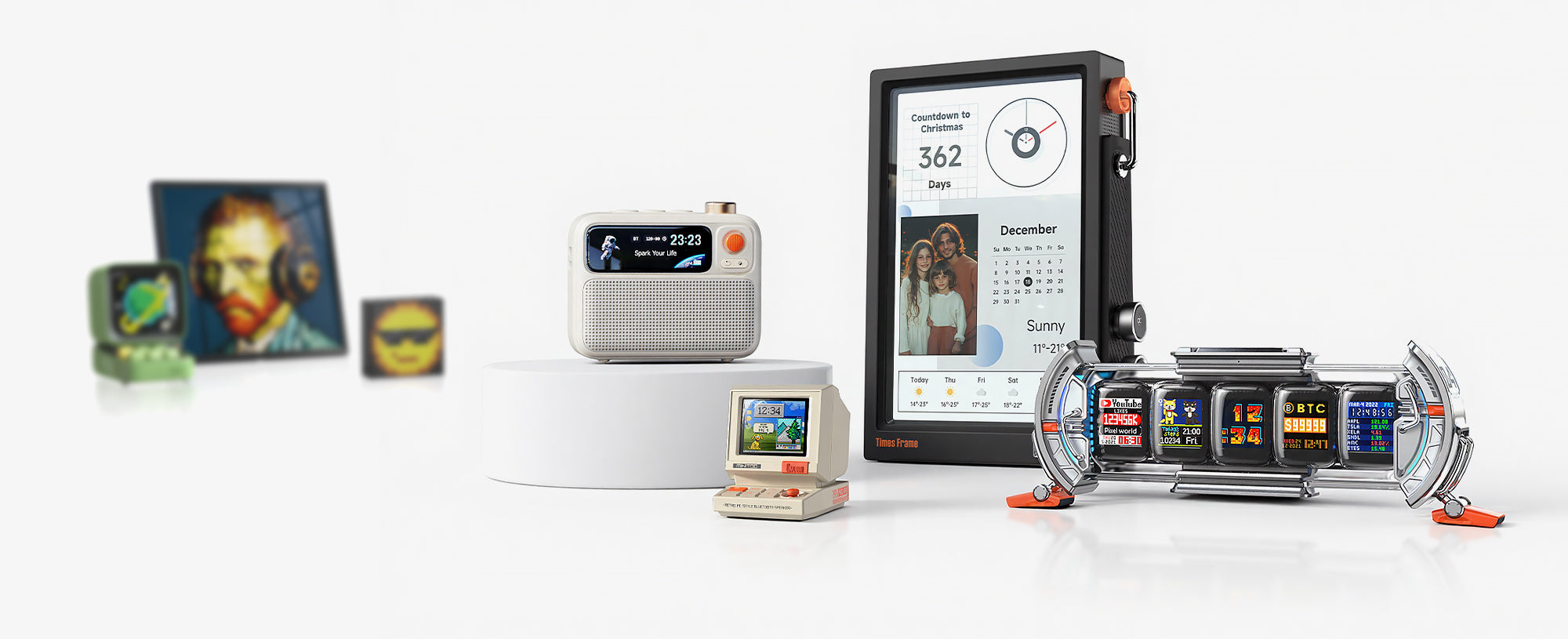
Wenn du das nächste Mal ein Divoom-Produkt auspackst, nimm dir einen Moment Zeit, um darüber nachzudenken, was du in der Hand hältst. Es ist nicht nur Hardware. Es sind Jahre voller Ideen, Entscheidungen, Iterationen und Fürsorge – alles verpackt in etwas, das deinen Raum ein bisschen lebendiger machen soll.
FAQs
Wie lange dauert es, ein Divoom-Produkt von der Idee bis zur Markteinführung zu entwickeln?
Jedes Produkt ist anders, aber der Entwicklungszyklus erstreckt sich typischerweise über viele Monate, einschließlich Design, Technik, Softwareintegration und Testphasen. Produkte mit komplexerer Hardware – wie das Times Gate mit seinem Fünf-Bildschirm-System – benötigen noch längere Kalibrierungs- und Testzeiten.
Stellt Divoom seine Produkte selbst her?
Divoom arbeitet mit Fertigungspartnern zusammen, behält aber die volle Kontrolle über Design, Softwareentwicklung, Firmware-Engineering und Qualitätssicherung im eigenen Haus. Die kreative und technische Kernarbeit findet im Divoom-Team in Shenzhen statt.
Wie entscheidet Divoom, welche Funktionen in ein neues Produkt aufgenommen werden?
Funktionsentscheidungen basieren auf einer Kombination aus Community-Feedback, Nutzerdaten, Support-Gesprächen und der Vision des Teams für Emotional Technology. Keine Funktion wird in ein Produkt aufgenommen, wenn sie nicht einen echten Bedarf erfüllt, den das Team bei der Nutzung der Geräte beobachtet hat.
Wie oft bringt Divoom neue Produkte heraus?
Das Team bringt jährlich etwa 5–6 neue Produkte heraus, darunter smarte Displays, Bluetooth-Lautsprecher, Pixel-Art-Zubehör und Lifestyle-Produkte. Jede Veröffentlichung durchläuft den kompletten Design- bis Testzyklus – das Team hetzt Produkte nicht, um willkürliche Fristen einzuhalten.
Können Nutzer zukünftige Divoom-Produkte beeinflussen?
Ja – der Feedback-Kreislauf der Community ist ein zentraler Bestandteil des Entwicklungsprozesses von Divoom. Funktionswünsche, Support-Gespräche, App-Store-Bewertungen und Community-Beiträge fließen alle in die Produktplanung ein. Viele Funktionen, die in aktuellen Divoom-Produkten vorhanden sind, begannen als Nutzeranregungen.
Sieh dir die Ergebnisse unseres Prozesses an.
Jedes Produkt auf dieser Seite hat die Reise durchlaufen, die du gerade gelesen hast – von der Idee über das Design bis hin zur Technik und auf deinen Schreibtisch. Entdecke die gesamte Kollektion und finde das Produkt, das am besten zu deinem Raum passt.
Entdecke Divoom Produkte →

